I'm Anwesha, an AI Product Manager with full-stack engineering roots. I went from shipping C#/.NET APIs to owning product outcomes and scaling 0→1 AI systems in B2B SaaS fintech. I care about the impact of when AI automation is needed and the tools and stack to build them.

Pivoted from software engineering to product after a production bug had me asking a bigger question: are we even building the right thing? That curiosity landed me at a high-growth Series A in NYC, reducing the friction of onboarding agents caused by miscategorized credential data from a national verification system across all 50 states. I turned that into a user-centric workflow portal with role-based, license-aware access that helps users connect 2x faster. 0+ agents onboarded, driving a 10x increase in distribution capacity.
When I'm not building, you'll find me exploring an entire world of cuisine, getting heavily influenced by social media to try yet another matcha spot (yes, I wrote an essay about it), and 3x-ing my productivity with AI tools and automation.


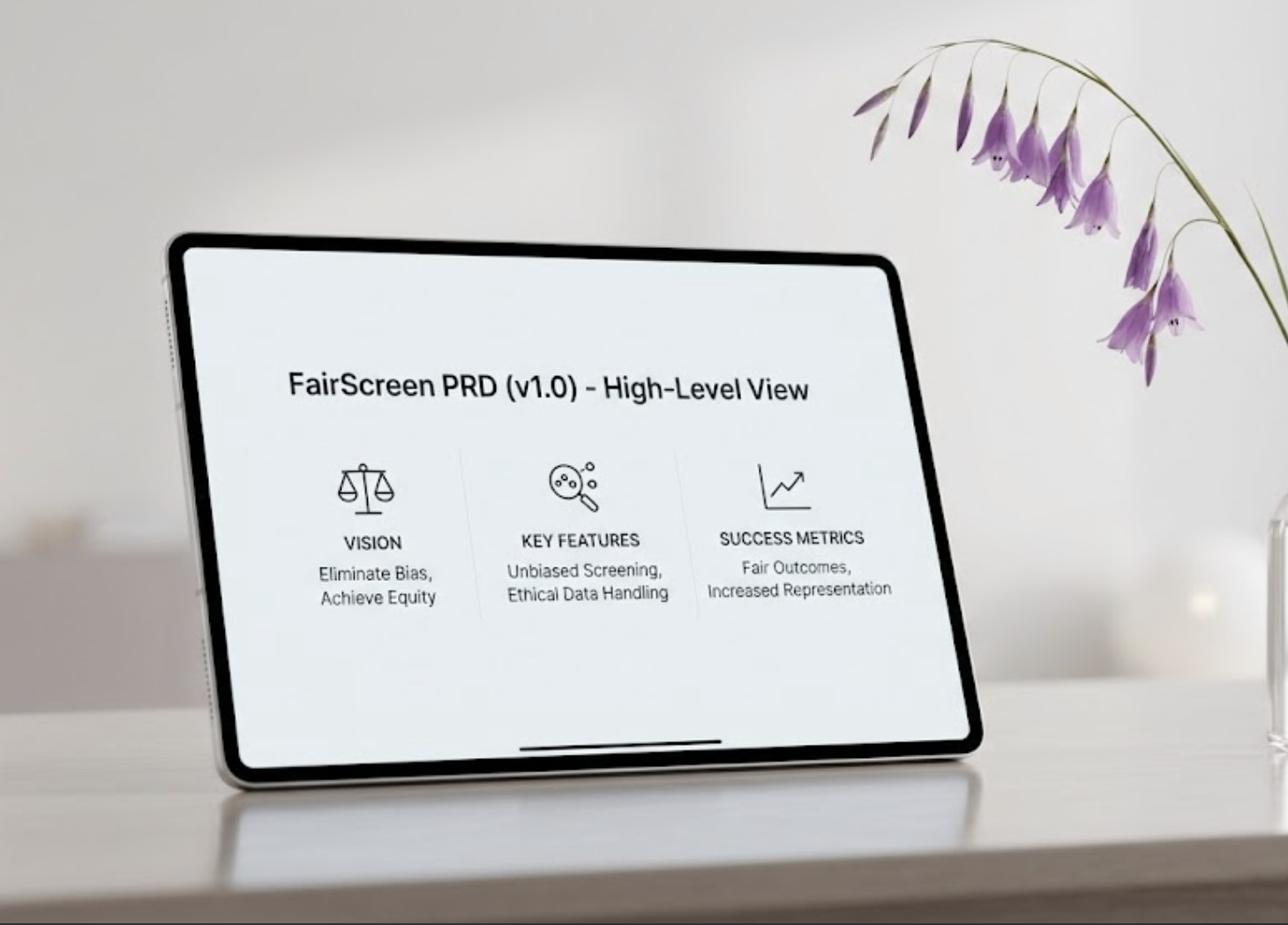
How I'd turn an academic finding about hiring bias into a shippable product spec.

A Stanford study (Bommasani et al., FAccT 2026) ran AI screening across 4M job applications. In aggregate, bias was invisible — it only surfaced when measured position by position.
If you only audit at the end, you've already shipped the harm. Monitoring has to be a core product surface — live, and per-position — not a quarterly report.
A hiring-assessment layer with live four-fifths-rule dashboards per position, aligned to Title VII and the EU AI Act's high-risk classification. Auto-pause when a ratio drifts red, audit trails by default.
Two regulatory frameworks mapped directly to product requirements, with guardrails designed in — not bolted on after launch.
Not mockups. Not hypotheticals. Real systems, deployed and running.
● LiveEnd-to-end AI marketing analytics around TalentFlow, a B2B SaaS talent-assessment platform. Custom landing page with GA4 + GTM, a 21,346-row synthetic dataset, and a pipeline that turns Claude API outputs into structured Looker Studio tables.
● LiveAn AI-powered payment-recovery workflow. Stripe captures failures, n8n orchestrates webhooks, Claude API runs risk analysis and drafts recovery emails, HubSpot manages contacts, and Slack gets real-time alerts.
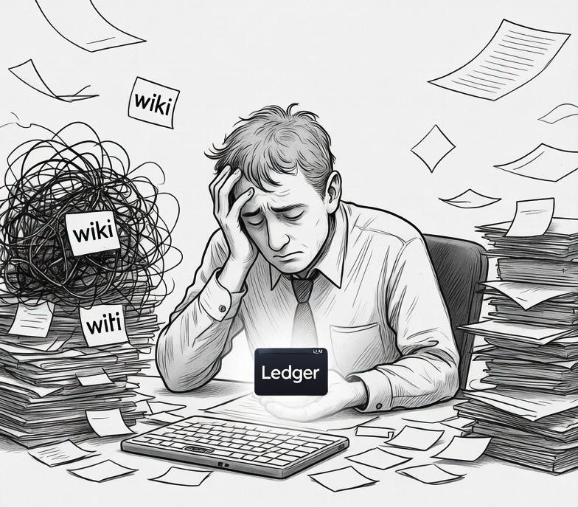
● LiveInspired by Karpathy's LLM-Wiki pattern. Ledger compiles raw payments sources (Visa, Mastercard, Stripe) into a living, interlinked knowledge base — so a compliance lead or PM can trace a mandate to its downstream flows in seconds.

A Tableau storybook analyzing domestic and international gross earnings of American films over time — global trends, director patterns, and the rise of movie popularity across countries and languages.

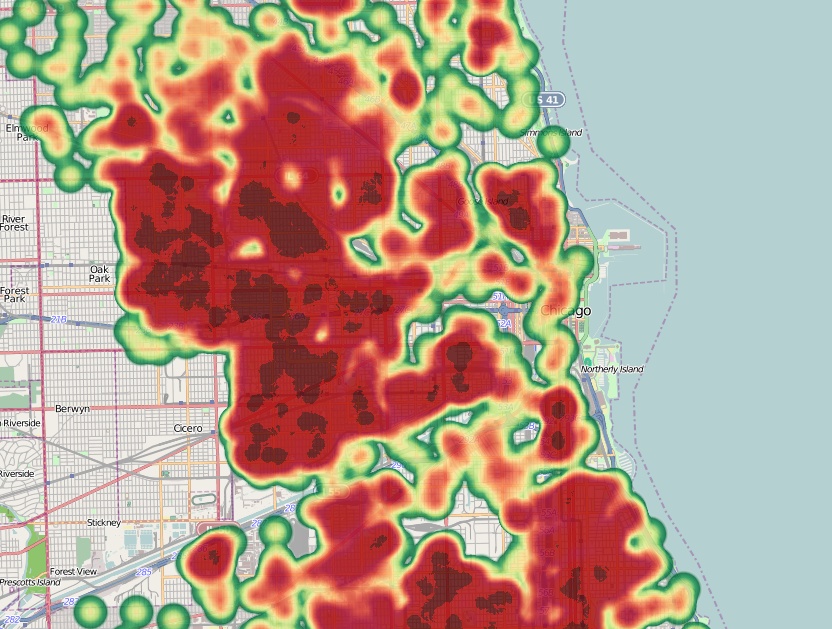
Exploratory analysis of 2021 Denver crime statistics, with an Adaboost classifier estimating the likelihood of potential crimes from real-time locations. Focused on the impact of COVID-19 and the MeToo movement.
I don't hand off specs and walk away. I stay close to the data, close to the tools, and close to the outcome.


Grace Hopper Celebration in Orlando. AI Summit in NYC. Always learning, always connecting, always in the front row.
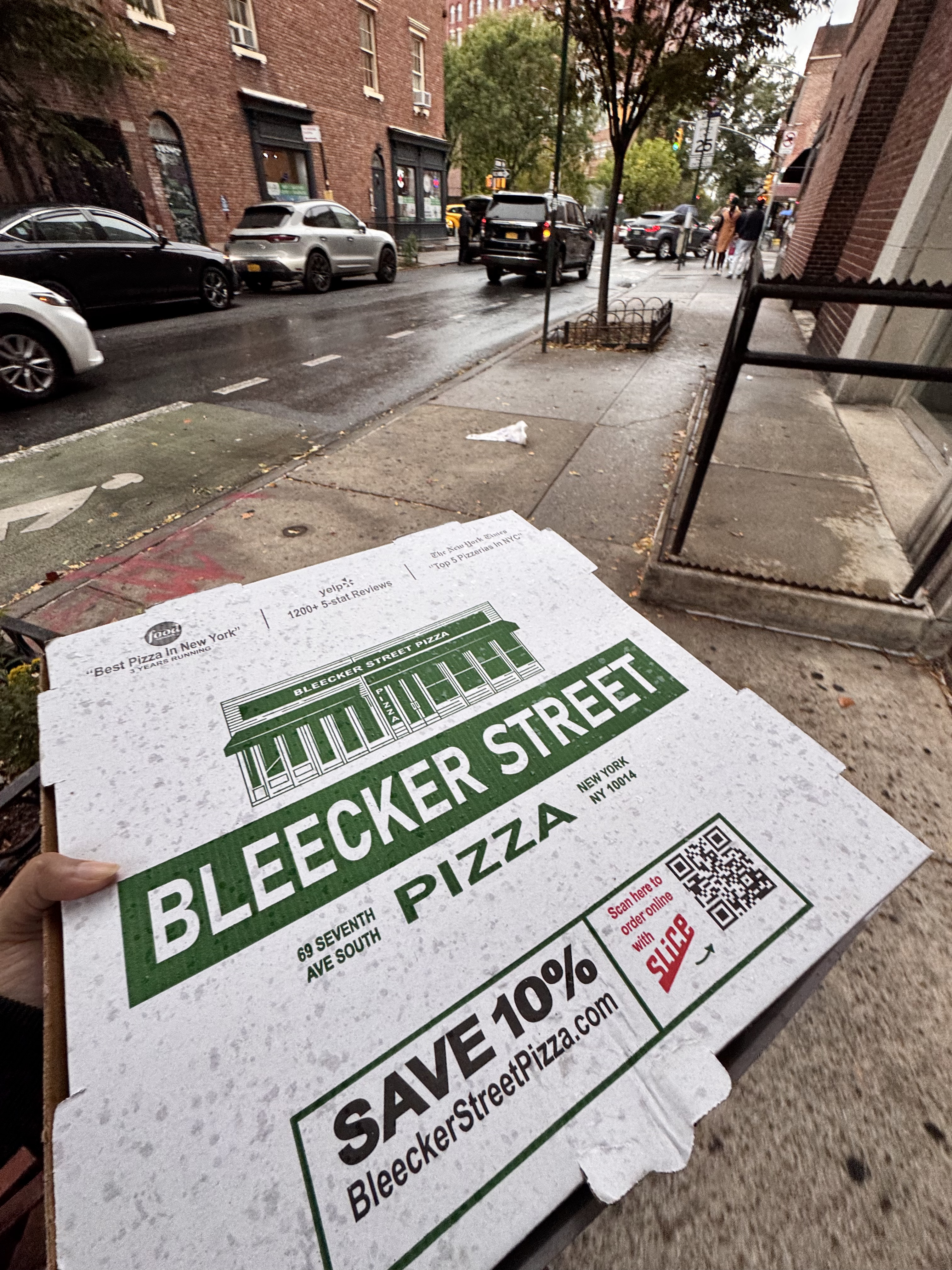
Been to every hidden and mainstream skyline view on the internet. Yes, the city has the world's best pizza. And yes, a 40-minute line for trending ice cream is absolutely a hobby.
I fell down the matcha rabbit hole and did what any reasonable person would do. Wrote an entire Medium essay about it. Part love letter, part cultural deep dive.
Read on Medium →I'm open to product roles, marketing-ops opportunities, and conversations about data, AI, and building things that matter.